
Catering to Diversity - Space Optimization - Sustainable Innovation - Efficiency & Reliability
During the detailed design phase, we continuously refine the design scheme through rigorous iterations, ensuring seamless integration of every production module and component to establish a robust foundation for manufacturing. This approach enhances production efficiency while positioning the reduction of project implementation and maintenance costs as a core responsibility of our R&D team.
Meet Diversified Demands
Modular design addresses the growing trend of human-centric and personalized development in consumer needs. We utilize modular production methods to compensate for the limitations of standardized manufacturing, creating more non- standardized and personalized design solutions tailored to user demands.
Improve Space Utilization
Modular spatial design significantly enhances indoor space utilization. By employing flexibly combinable furniture and reconfigurable layouts, it eliminates the need for additional non-load-bearing walls or repeated purchases of multifunctional furniture.
Sustainable Design
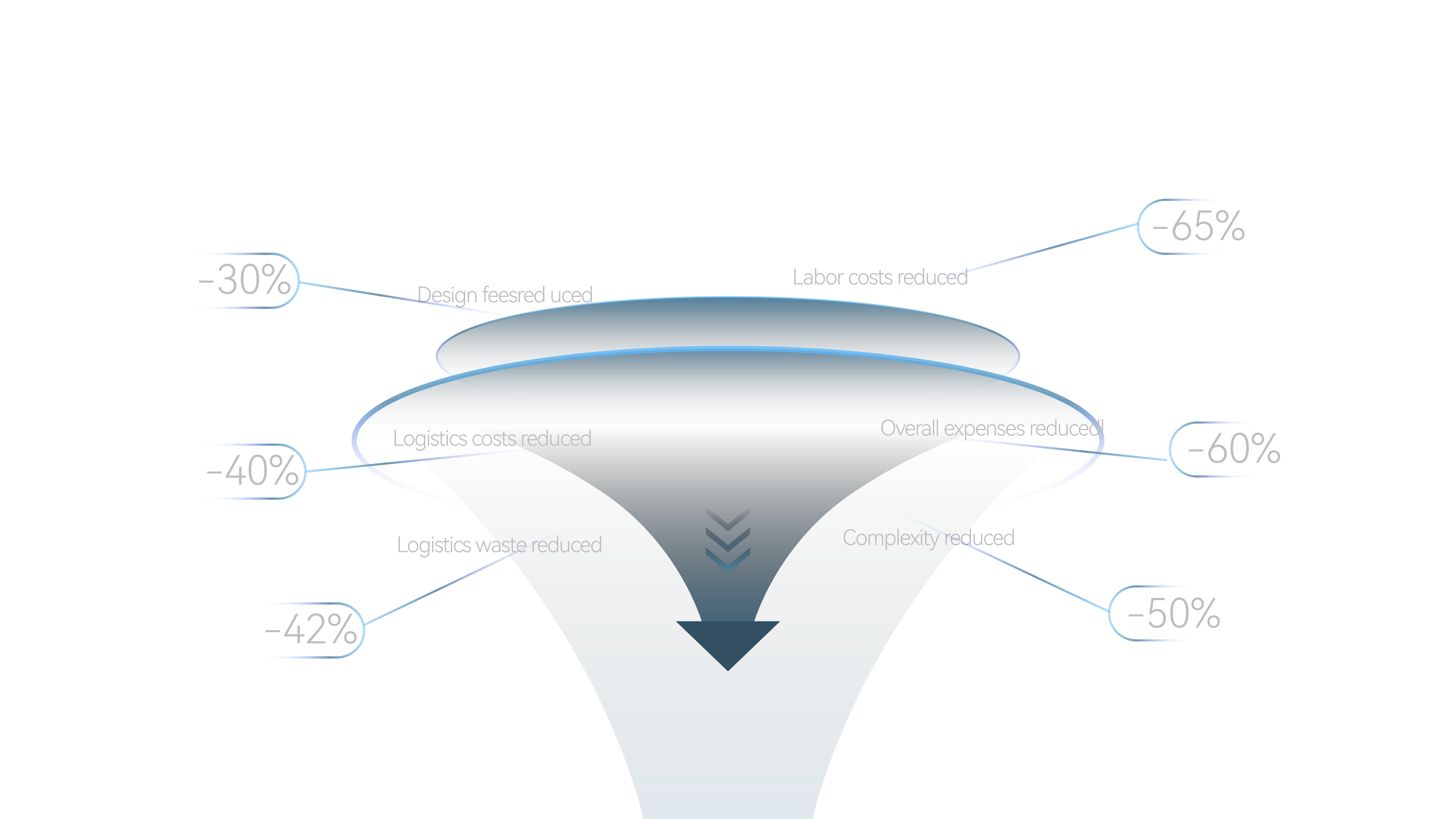
Under industrialized mass production, modular design ensures maximum utilization of resources throughout the design, development, and recycling phases. It minimizes material waste and unnecessary labor usage, shortening production cycles and lowering costs.
Improve Efficiency and Testability
Modular design enables independent testing of each module, allowing rapid issue identification and resolution. With clearly defined input/output interfaces, data flow is better controlled. Different teams can simultaneously develop distinct modules, enabling parallel development to accelerate project timelines.
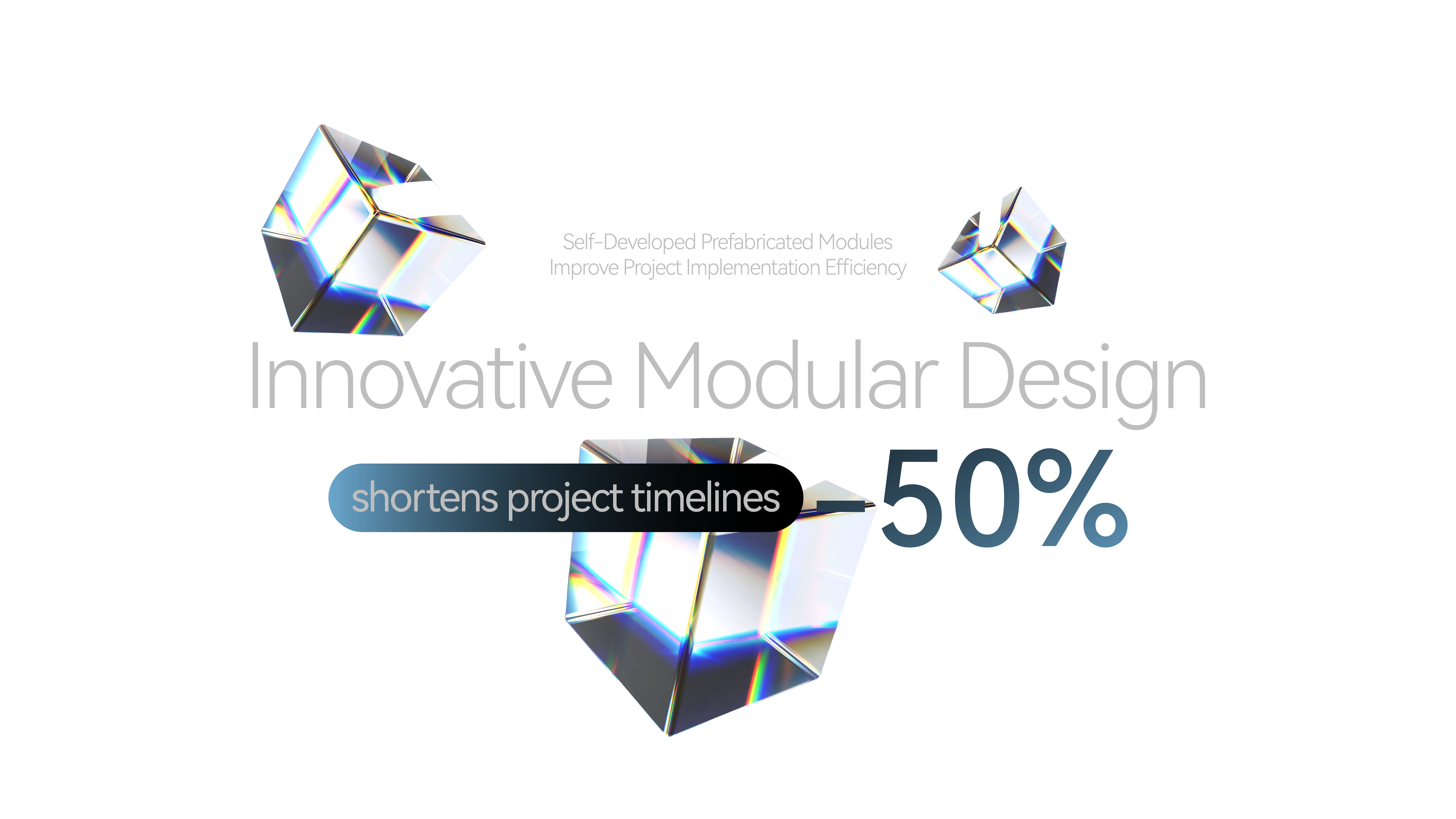
The Modular
Design Revolution
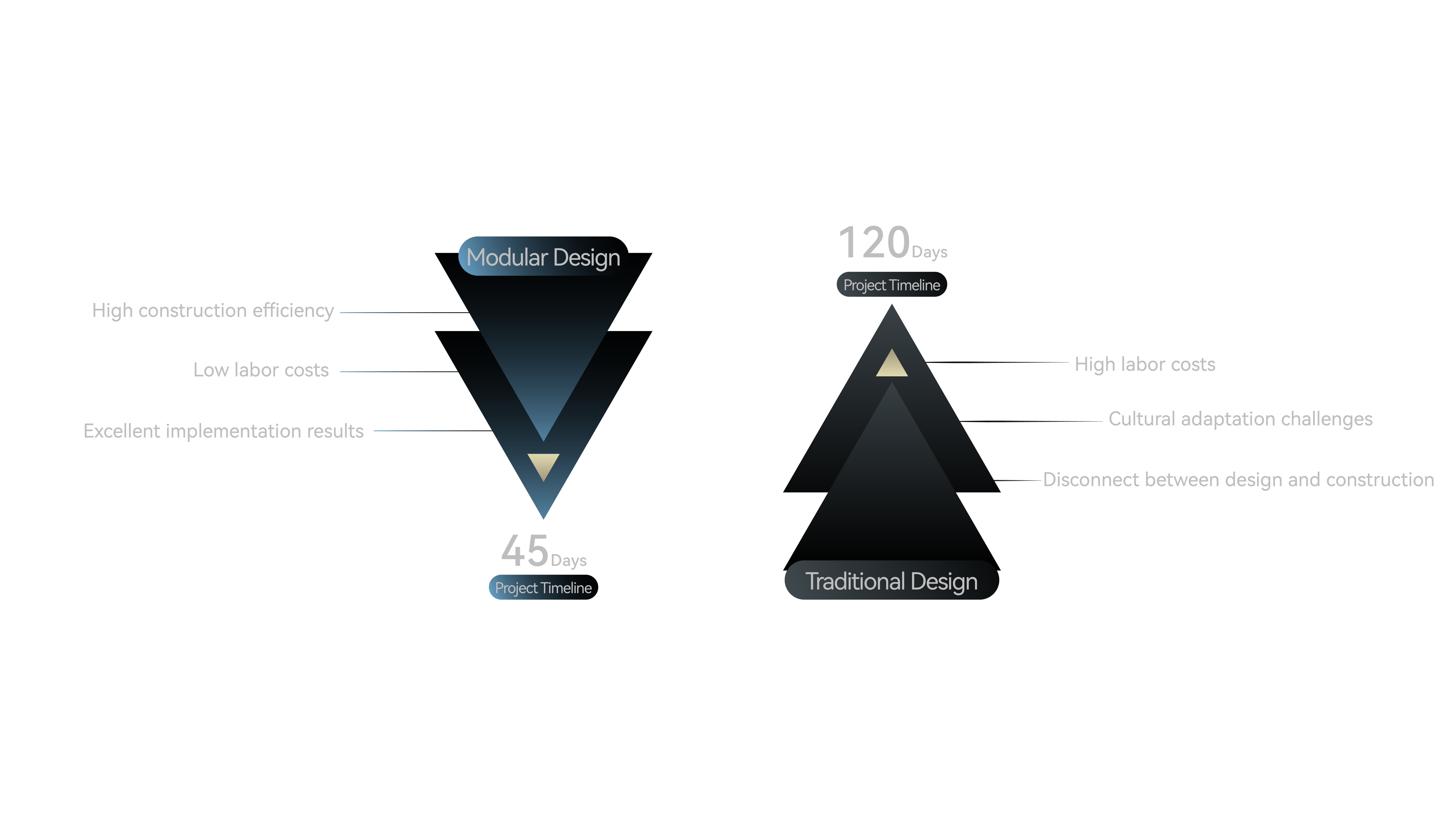
Benefit Comparison between Modular and Traditional Modes
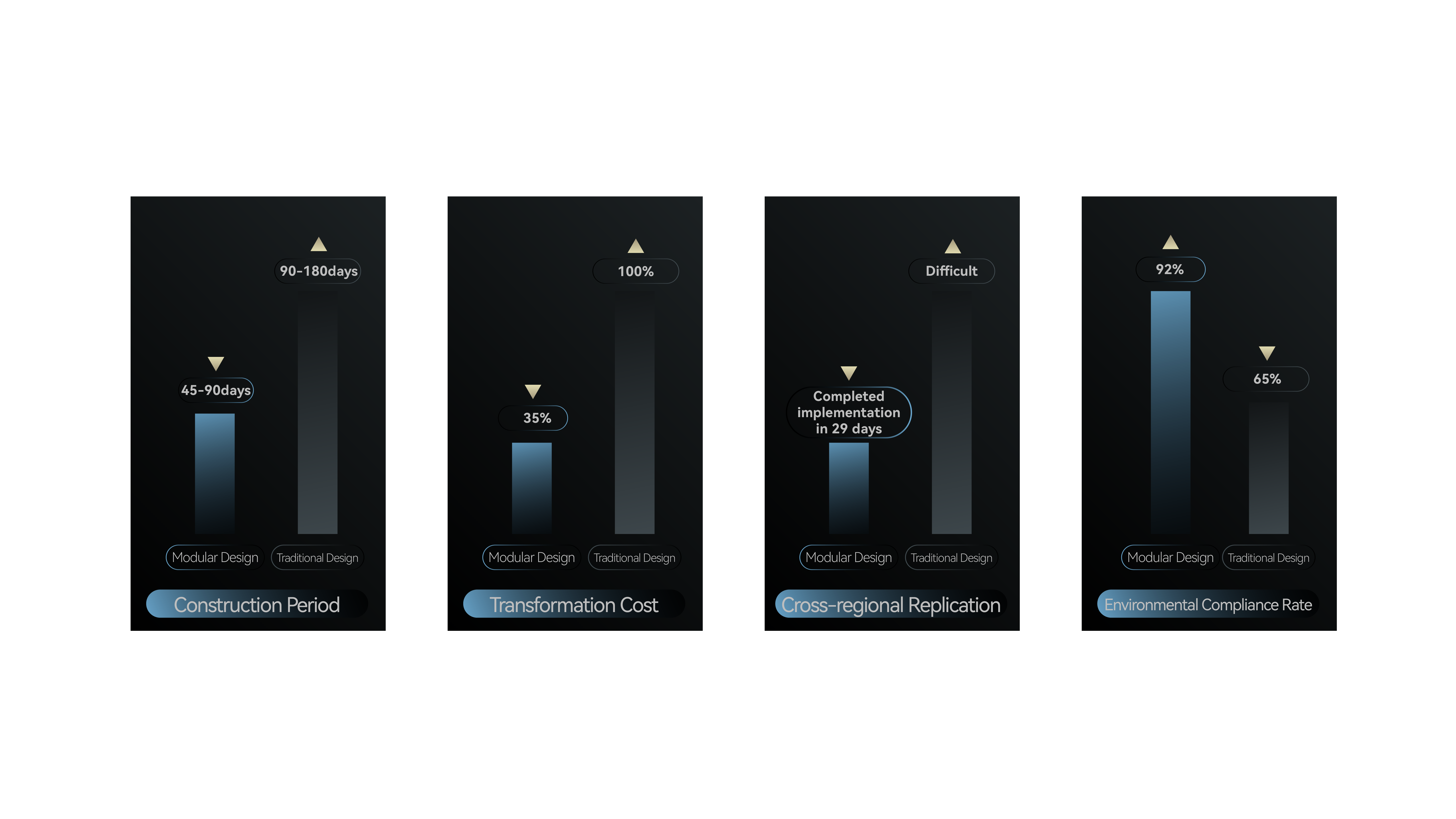
Demonstration
of Cost Advantages